

P.R.I.D.E.
A Focused Moment inspired by the word that claims it.

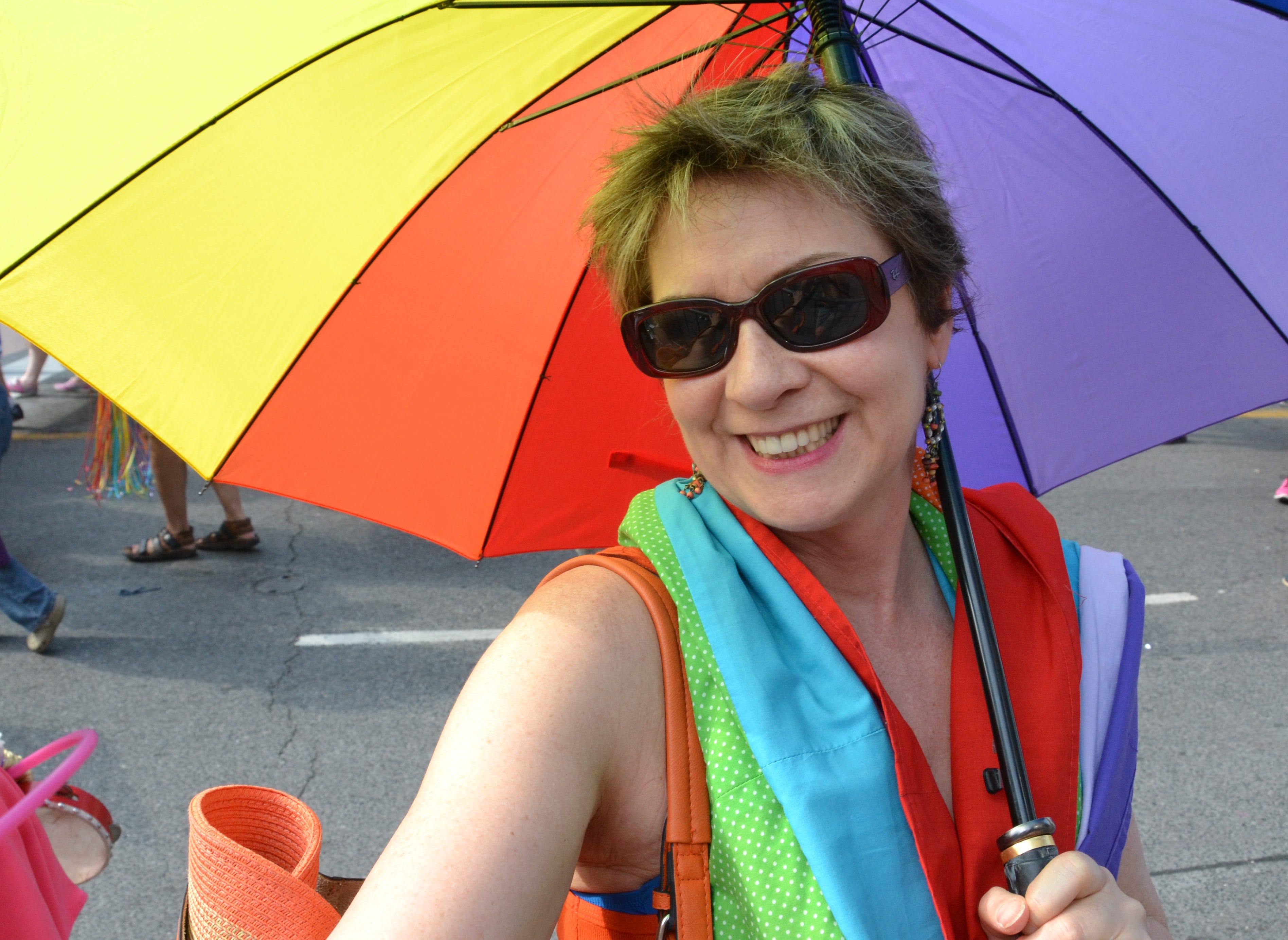
Twelve years ago, World Pride was celebrated in Toronto. It was an extraordinary opportunity for the city to lift up and celebrate the many ways in which members of the LGBTQ community had found and sheltered one another, built vibrant social and geographic communities, illuminated the arts with extraordinary perception and candour, endured violence, fear, trauma, and sorrow, and cohered into a significant voice for those who sought to live their love in the open. All of which added up to hundreds of thousands thronging the city’s streets, an amazing party welcoming the world and being replicated around the globe.
What I wouldn’t have given for the education I didn’t get when I was growing up in middle class Canada, a child who, like pretty much everyone else, carried a “book bag”, walked to schools where the desks were lined up in rows, did her homework every night, and were excited to watch cartoons on Saturdays. We played outside in the summer, coming home when the streetlights came on. In the winter, we were bundled into snowsuits and skated on a bumpy rink poured out onto the backyard. Church was across the street and we sat in the same pew every Sunday. Women wore hats and joined the United Church Women’s groups (my mom helped shutter ours in the 1960s!). Men proudly held all the leadership roles until the prestige began to wane. And, as in all good Jane Austen books, pride was the very worst thing to behold in anyone.
It was as though we all lived in an opaque cube in which every norm had been carefully curated, captured, and sealed within, and in which everyone lived happily ever after, never once wondering what lay beyond the walls. Or we pretended we did.
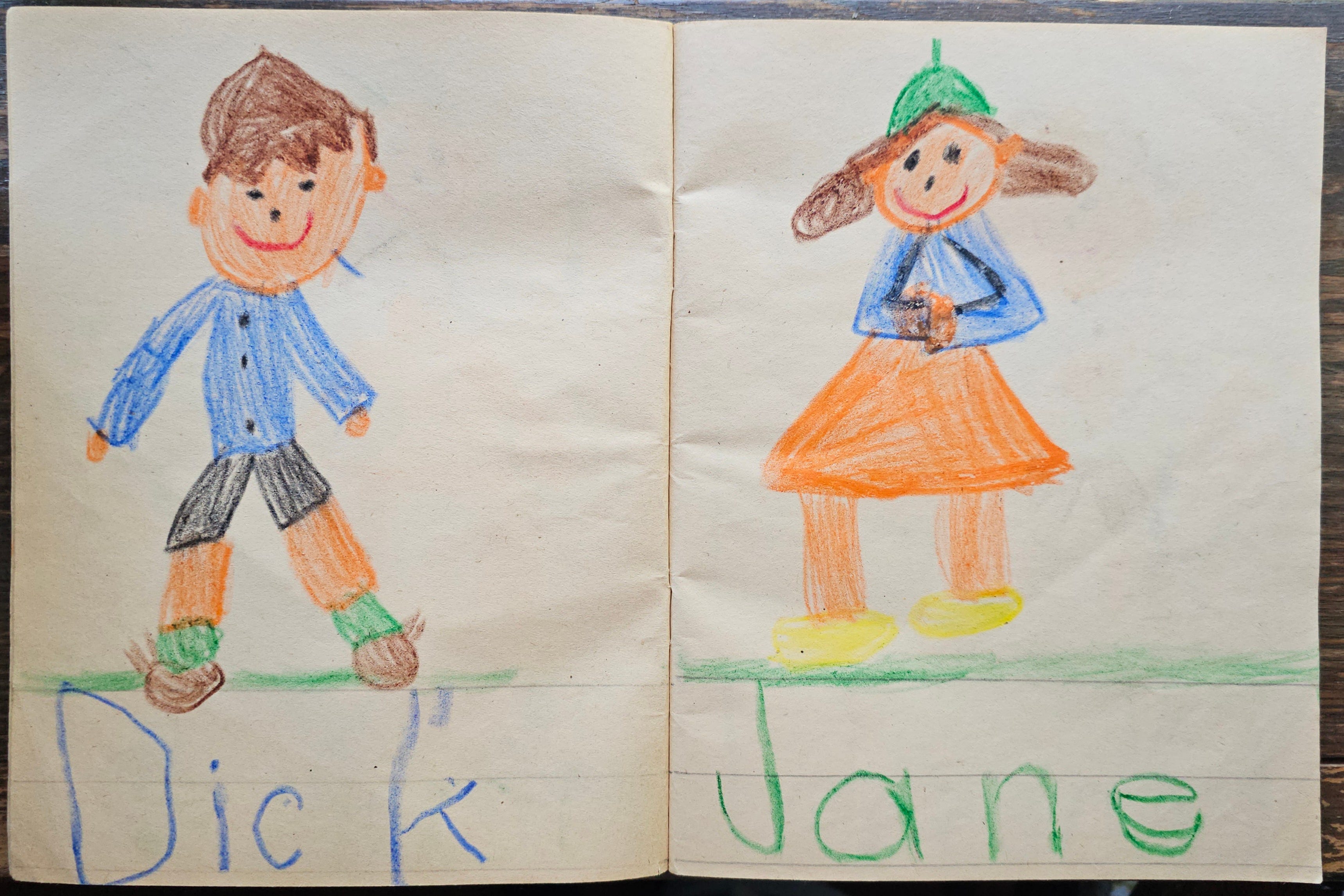
While I remain naïve about many things, I’m sure, I’m not naïve about all that anymore. I know, now, that there were kids in my classes who didn’t get three meals a day, or maybe even one. I know, now, there were kids who were wild because there were no parents at home much of the time, or parents drenched in too much alcohol to provide them any sort of care or oversight. A Grade One classmate, seated in the row furthest from me, the one for children who were not good students, wore layers of clothes to schools, something we all thought peculiar; I know, now, that they were likely all the clothes she had, layers of summer cottons trying to make up for the absence of winter woollens. Is it any wonder she struggled? A friend and their sibling had been adopted by well-respected members of the community who probably thought they were doing “the decent thing”, though the sisters had been torn from their Indigenous parents and communities to live in a closet-sized bedroom down the street from our home, where I slept in a room four times its size. How many children did we steal from their parents before we figured out the cruelty of it all?1
I did not know such truths then. Merrily, I stumbled along in a middle-class reverie, assuming every family was like my own, every child loved and fed as were we, every quirk or emergent trait noted, celebrated, tucked into bed at night with a kiss on the forehead. And not knowing the family had a secret it could not share. My great uncle was gay, had been imprisoned during the first world war as a conscientious objector, and during my childhood, lived in Montreal with his partner, a man I never met and whose name I do not know. Uncle George was involved in the design and furnishing of some of the grand CP hotels, but I have no access to the real history of that. Because, of course, when you can’t be proud of someone, you don’t speak of them, you don’t boast about their accomplishments, you pretend they have nothing to do with you even as you are gobsmacked with the impact they have on the world. Is it any wonder the word “Pride” is so important to the LGBTQ movement? Not at all.
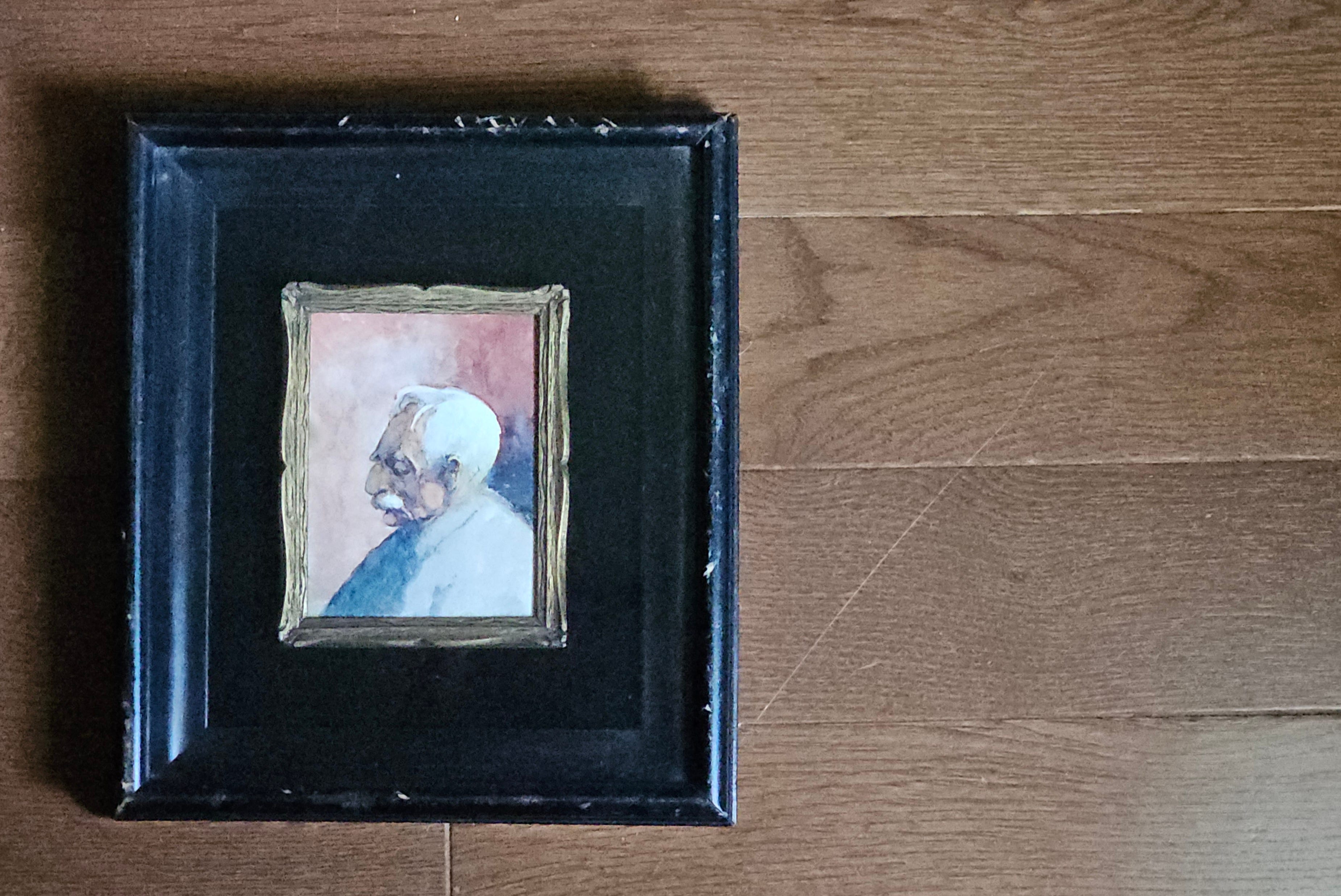
I never even knew the tiniest snippets of Uncle George’s story until I was quite grown and he long dead. Though it may have taken years following the war, the man should have been embraced by his family as a hero. I have a very old poetry book of my great-grandfather’s which has several holes in it where love poetry has been cut out; I like to think of George sending poetry to those he loved, perhaps snipped instead of handwritten in order to disguise its source. One of his paintings, of his father, hangs in our home, and a silver chest my father legally stole from Uncle George’s partner by suing his estate, stands in my dining room, a constant reminder, and one constantly needed, to live gently with those we know, those we think we know, and those we do not know at all.
The cube I live in is no longer opaque or sealed. The truths of the past and the realities of the future are humbling and horrifying, and my soul often feels raw as the two rub against one another within me. Apologies and warnings cannot fix who we were when or put us somewhere other than where we are now. But we can align ourselves with what we do know and acknowledge that we live within the full spectrum of life, as extraordinary and time-sensitive as is each moment through which we might embrace it.
This Focused Moment was written for World Pride in 2014, a day of recognition, celebration, possibility, and love. And of the celebration of Pride as an affirmation of the spectrum of love that colours our world. As you celebrate this weekend, may you hold fast in your heart, all those who went before and blazed the trail, all who have yet to come out, and all who are yet to be born into this unpredictable and ofttimes dangerous world whose paths will need the accompaniment of a full spectrum of allies and the steadfastness of loyal friends.
I highly recommend Marie Wilson’s book North of Nowhere; Song of a Truth and Reconciliation Commissioner. So many segments slayed me, my experience as a young, white woman working in the then Northwest Territories for six years humbling me over and over again.
Gretta, I love this:
"But we can align ourselves with what we do know and acknowledge that we live within the full spectrum of life, as extraordinary and time-sensitive as is each moment through which we might embrace it."
It gave me chills and I had to re-read again and again.
Bless you.
Ah, Gretta. The focused moment has such beauty.
I relate to the young girl, perhaps not quite as comfortable as the one you described, but in many ways so ignorant of what was going on, assuming that all the kids in her class had love and shelter.
Pride: once it was just being tolerant (and thinking ourselves progressive for being so); then accepting, then, finally, embracing. - And the learning keeps on happening, because there are so many ways to love and to live, and we are all connected with common threads.