
On learning the hard way ...
… and surviving

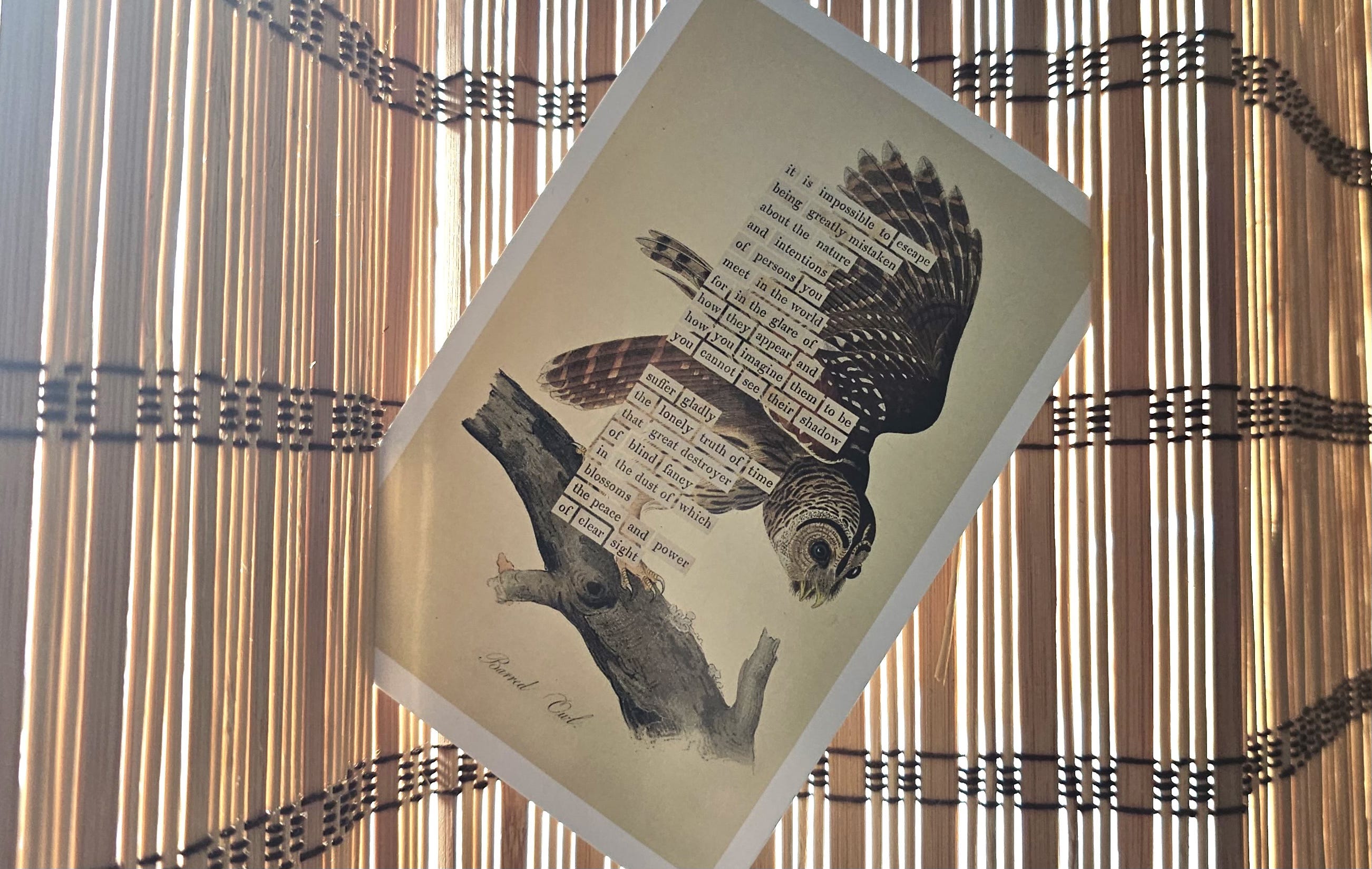
it is impossible to escape
being greatly mistaken
about the nature
and intentions
of persons you
meet in the world
for in the glare of
how they appear and
how you imagine them to be
you cannot see their shadow1
…
Oh, how blithely we approach the stranger being introduced to us, our hearts set on being open, inquisitive, kind, and perhaps most of all, liked. There’s not a single engagement with someone else - a friend, an acquaintance, a member of an audience, or fellow theatre-goer, an individual walking through the same park as I - that I would approach with anything but curiosity and welcome, barring, of course, those who have long since given me reason not to trust them. We are open-hearted at birth, delighted with every face that bends toward us and rewarding it with joy and delight. It is in our nature: our collaborative survival skills at their very best.
But we can be wrong. We cannot see the hidden wounds, the places where fear hides, or read the histories of loss, abuse, violence that sometimes steep in another’s heart and soul and leave them angry, hurt, and cruel. They are invisible in the welcome smile, the easy laugh, the offer of shared interests. It is only time that reveals these truths and often time too late in coming. And I have been wrong so many, indeed, too many times. Still, I would rather engage and risk, that not invite a potentially beautiful moment or friendship.
Popova’s poem suggests it is “blind fancy” that hides these truths, these undersides of reality from us. Is that really the case? And what of it?
I prefer to think of it, not as blind fancy, but as our desire to see our own hearts mirrored in the hearts of others, to read our own likes and dislikes in their faces and to find soul-partners to journey with us as we move through our days, this event, that particular stretch of life. Perhaps we project ourselves onto those we meet. Indeed, how could we do otherwise without meeting our own prejudices instead? Meeting someone we do not know, have not heard about, have no referents regarding, we make them up before they say a word. And that “made-up” idea of the person, if not an assumption that they are as good, as smart, as welcoming, or as judgemental as are we, what might happen?
What happens is that we judge based on attire, the quality of their footwear, their scent, according to the scales of beauty based on physical looks, or normalcy based on behaviours that we carry around with us in our heads. Perhaps we even stoop to judge based on skin colour or accent. Let my heart be open to risk rather than closed in fear and judgment.
Still, what happens when we let go of all our fears, risk just being our lovely selves and find we have been taken in by a dissembler?2 If the risk ends in our having nothing to blame but our own “blind fancy”, so be it. Consider yourself human. It happens. You’re not stupid. You were played. Tighten up your protocols and change your passwords and move one. The one who has played you, me, everyone, is the one filled with deceit and the one to hold responsibility and accountability.
Unfortunately, they are usually also be the one least likely to accept it.
…
suffer gladly
the lonely truth of time
that great destroyer
of blind fancy
in the dust of which
blossoms
the peace and power
of clear sight.
Maria Popova
This post is an offshoot of my A Whole Lot of Broken Substack. It’s part of a series inspired by the artistic and poetic work Maria Popova offers in An Almanac of Birds: 100 Divinations for Uncertain Days. Each post includes a minimally edited version of the reflection I’ve written as a regular morning discipline in response to one of Popova’s cards.
NOTE:
Regarding the word divinations, the efficacy of which I do not believe, this from Popova’s introduction to the collection: “I don’t believe in signs – I don’t believe that this immense impartial universe concerns itself with the fate of any one of us motes of stardust … But I do believe in omens. Omens are the conversation between consciousness and reality, between the self and the unconscious – a conversation in the poetic language of belief. … We make our own omens by the meaning we confer upon chance events, and it is the making of meaning that makes us human, that makes us capable of holding something as austere and total as the universe, as time, as love without breaking.” Maria Popova
Stay connected with Maria’s writing with her weekly review, The Marginalian.
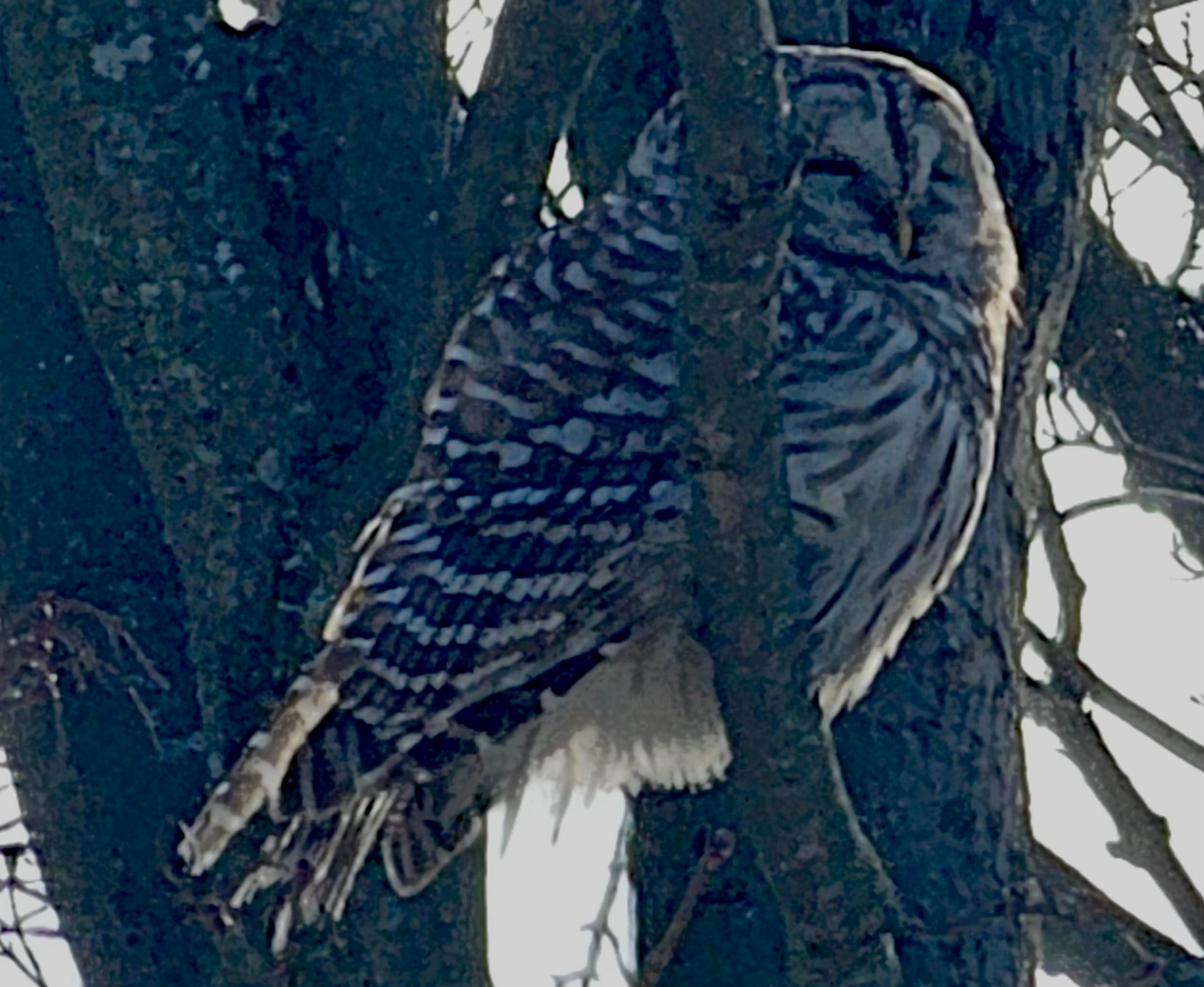
Maria Popova, “Barred Owl” An Almanac of Birds; 100 Divinations for Uncertain Times. Special Note: Instead of just picking up the next card in the box of Maria Popova’s An Almanac of Birds, as I usually do, today, I went searching for a specific one. Yesterday, Scott called me to the window to see a Barred Owl perched in one of our backyard trees. And, yes! Audubon had painted one and Popova had included it in her Almanac of Birds!
First of all, be alert so that this does not happen, especially in today’s highly manipulative technology world. Do not answer phone calls from weird area codes. Do not answer calls from Bell or other utility companies you use; let them leave a message. If they don’t, it wasn’t them. Never give your credit card number to anyone who has called you. Call them back at the company’s listed phone number, not the number you have on your phone. Please check out the Canadian Anti-fraud Centre or the United States Anti-Corruption and Fraud Prevention Center for more information on how to protect yourselves and, should it become necessary, how to secure your assets following a fraudulent incident.
Quite a bit to ruminate on...are we so easily deceived?..isn't there a reserve of judgement just because we are uncertain of others intentions? Maybe it is ourselves that we are unsure of.
These writings always provide so much food for thought which I find so relevant and meaningful.
Today also, the owl arrived. Magical.
What an absolute treat that must be.