

Today's wishes ...
useless if they pertain to yesterday.

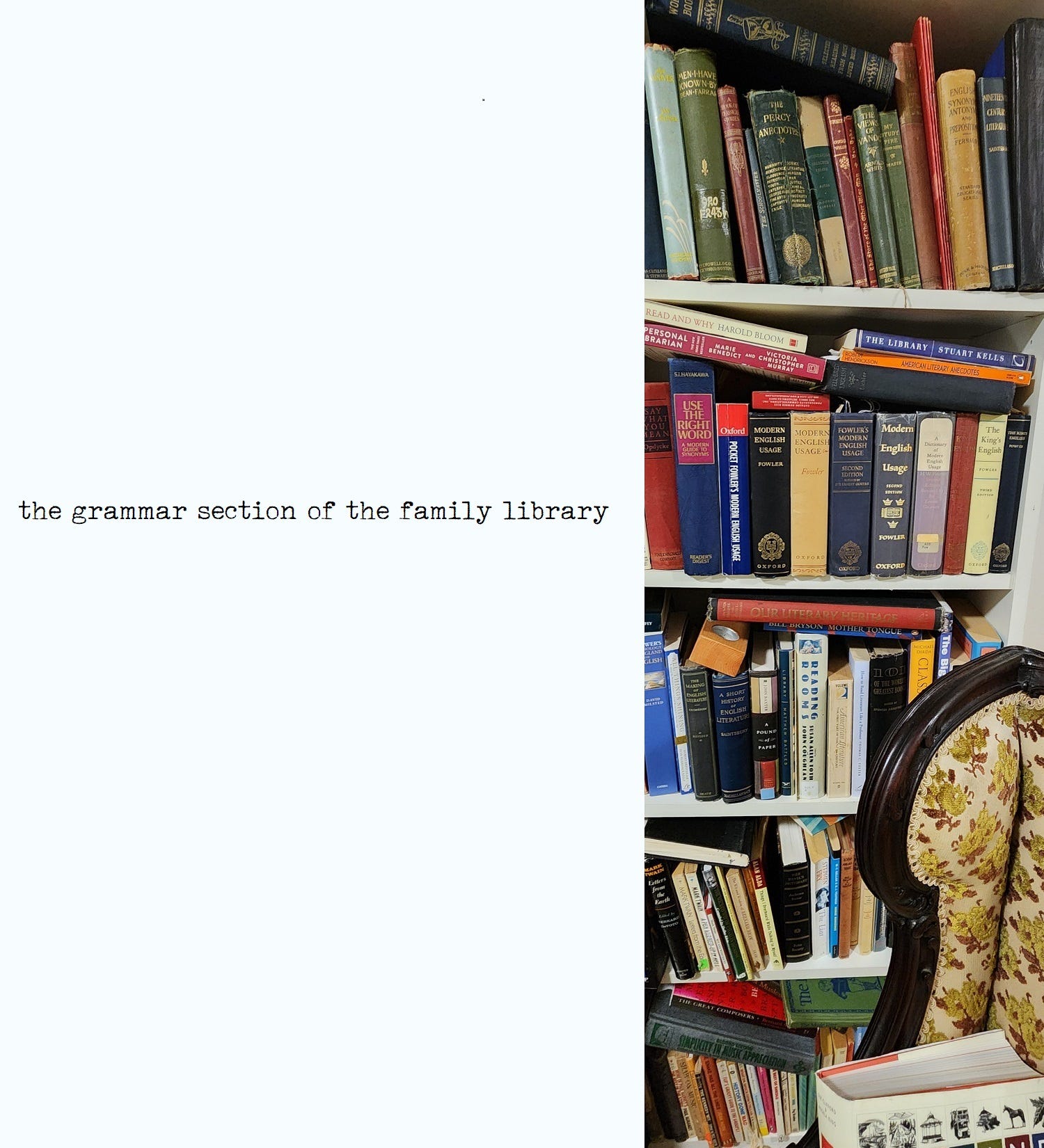
Despite a grammatical conundrum, I’m sharing a poem that emerged early this morning. The conundrum pertains to the first line, “If today were yesterday,” which was born, “If today was yesterday” and has since been modified. To my grammatically-brilliant partner, “was” just didn’t sound right. So he investigated online and returned with the sage wisdom that “were” is to “was” what “hypothetical” is to “real”. Of course! As in the sentence: “If wishes were horses!”
Ah, but no. You see, “horses” is plural so, despite referring to hypothetical content, its reason for “were” was always just plain grammar, not the convoluted-and-only-remembered-by-my-partner’s-kind-of-people grammar.
Somewhere around 3:30 …
I awoke wondering what I would like yesterday to have been. My computer lay in its overnight charging spot, a nearby chair, so I picked it up to write down some thoughts. (Ah! Maybe I wasn’t yet awake enough to be grammatically accurate at the time in the morning. Woohoo! That’s my story and I’m sticking to it!)
The grammar, however, remains a conundrum.
As I began to write, the banality of the thought - that I could relive yesterday today -overtook me and the concept shifted, as they so often do under the tips of my fingers, prepped and resting on the keyboard. Rather than writing about a hypothetical do-over, I began to write about the impossibility of just that thing; about how yesterday’s everything, even in a do-over, would be aligned just as it was yesterday, not today. The emotions and perspectives, differing energies, the new ideas of the morning - none of them yet real, none of them having been played into being or having emerged in my thoughts the day before - could have made any difference were the clock turned back. So the poem veered and remained in very real space of now, no way to go back and wish things into a different constellation of reality, no “wishes become horses”. Just reality. Here. Now. In my head. Outside my head. Yesterday was yesterday. Today is today.
And therein lies the remaining conundrum. Because, as soon as he’d convinced me, my partner reminded me that the poem isn’t about the fantastical. The thought is often fantastical; people want to make today yesterday and do things differently the second (or third, or fourth) time around. But what emerged faced reality squarely: “Dream on, woman… ! You don’t get to do it differently the next time; you can’t turn back the clock, step into a different room, take a different coat from the cloakroom!” So maybe the first line should be “If today was yesterday”! (I’ll poll you below - scroll down, wa-a-a-a-y down … channelling “The Friendly Giant” in reverse - and let me know what you think. Not that I’ll change it, mind you!)
The poem is steeped in every significant moment in my life and the days, weeks, months, and years in which I lacked conviction that the choice I’d made was the best one, the right one, the one that took everyone into account. Often, my own need to prevent the discomfort of others, led to dismissing my own comfort. And there is no way home to safety when that happens because it’s not just my reality that gets hammered into the wrong shape. In some circumstances, everyone ends up feeling like they’d been mowed over by something that didn’t cut clean, that bruised and maimed with its dull, misdirected blades. And yet, we carry on. Wishing it were yesterday even though, we’d do it all the same.

If it were yesterday,
I’d do everything the same as I did then –
make the same decisions,
avail myself
of all the information
my mind could
access,
             engage,
                           process,
                           comprehend …

                           as choice coalesced,
                           still unbound by
                                        what I could not see,
                                        did not know,
                                        was not yet able to accept.

If it were yesterday,
I’d think the same things I thought then,
coalescing ideas
from the stuff of accrued history
as memory toyed with it,
the possibilities of opportunity and chance
playing off each other
until the day was closed,
             chosen and oblivion
             settled into their forevers by nightfall.

If it were yesterday,
I’d manage the same things I did then,
the energy in my bones
              just as able or not,
                           to finish that one thing
                           while sorting the day’s detritus back into place
                           and wrestling entropy to the ground.
the fervour of my mind
              just as able or not,
                           to hustle up another plan,
                           consider another thought,
                           access those million million million already forgotten.
the strength of my heart
              just as able or not
                           to hold the peace,
                           carry the burdened,
                           heal its own brokenness.

If it were yesterday,
I’d believe the same things I did then –
the space between you and me
only ever
             as honest as our words could frame it
             as clean and clear as our hearts might understand.

and I'd
             have lost all the things that are gone
                            and still hold in my hands all the things that I do.
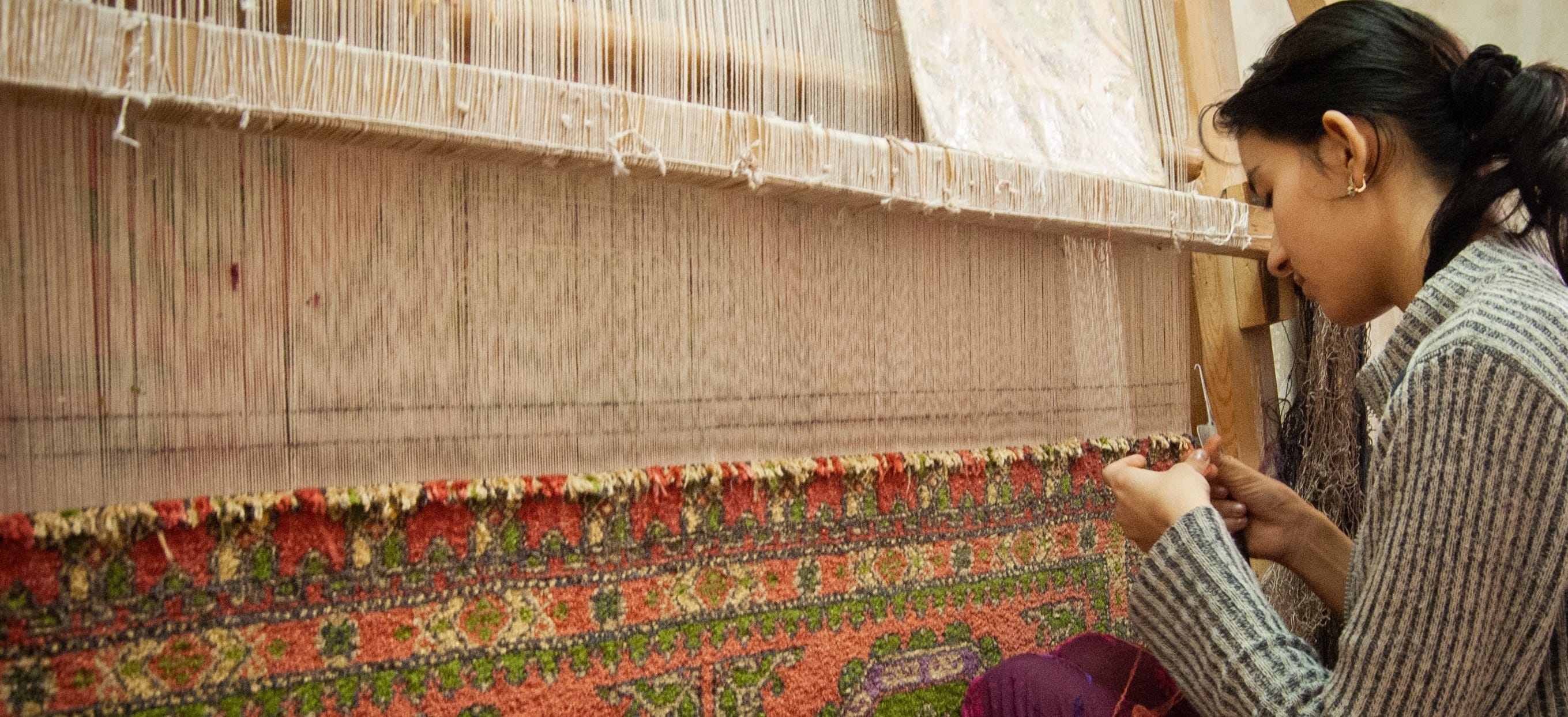
The threads of our lives weave in and out of our days, picking up bits and pieces of our every moment - what we learned, something we heard, absences felt, companionship welcomed, choices made, a glimpse of the open sky, and the limited view we had of the roads we refused to travel.
In the end, we have what we have created, a tapestry ever at the point of wholeness, much of its background built up of blurred and intangible moments for which we have no single memory, and mostly, no need to recall. But the design is built up of the knotting together of nuances and contrasts, colours as bright, deep, and rich as those that fill our raised and overflowing cups, and bleak as those drained entirely of perception by the darkness of our nights. It is what we created it to become. There is no going back.
But there is much to found in the silken threads of today, and should we wish to indulge ourselves in reflection and consideration, much to be revealed as we look back on their weaving.
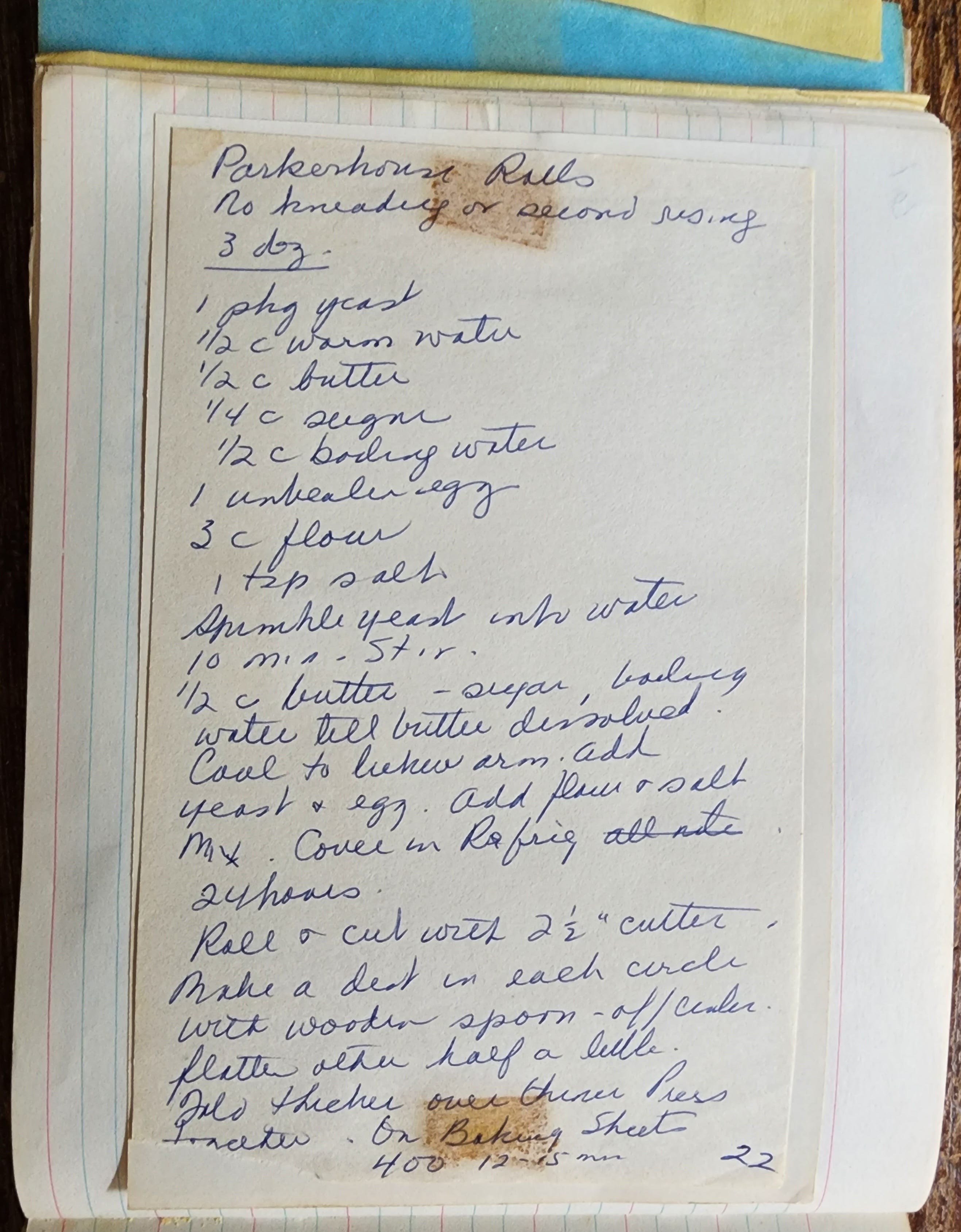
My mother-in-law, Margaret, knew most women feel broken in some way. Over decades, she honoured and dignified them by asking for their recipes, no matter how many of the same she already had. I hope you experience her generous heart as I share something from her collection at the end of most of my posts. Every recipe holds a story, one I’ll never know.
I recently watch two films from northern Britain, The English Game, and The Bank of Dave. The dialect consistently replaces past tense "was" with a more conditional "were." E.g., "He were a good lad." I don't have any more analysis of that.
"If I were" is subjunctive. Most English speaking people don't learn about this tense or mode; I learned it by studying French.